Fritextsökning
Artiklar per år
Innehållstyper
-

Pulsen på patientförbunden del 2: Postcovid
Trots att forskningen kring postcovid gjort stora framsteg på senare år är kunskapsluckorna många. Svenska Covidföreningen ser ett akut behov av fler läkemedelsstudier och menar att precisionsmedicin är nyckeln.
-

From pharmacist to life science podcaster – Magnus Lejelöv uses his voice as a tool
Magnus Lejelöv has more than 20 years of experience in the pharmaceutical industry and has conducted nearly two hundred interviews with healthcare professionals on his podcasts.
-
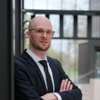
Korbinian Löbmann leads scientific meeting on drug formulation: High activity in the field
Korbinian Löbmann has moderated New Updates in Drug Formulation & Bioavailability several times before. Now he is once again taking on the scientific meeting. Life Science Sweden reached out to him.
-

Studie stärker kopplingen mellan graviditetsdiabetes och autism
Barn till mödrar med graviditetsdiabetes löper en större risk att diagnostiseras med neuropsykiatriska funktionsnedsättningar, jämfört med barn vars mödrar inte har diabetes, enligt en stor metastudie.
-

Positive trend for Swedish medtech exports – “We have new markets that are huge”
In 2024, Swedish exports of pharmaceuticals decreased for the first time in several years. However, the trend for medical technology looks brighter. During a seminar, it was discussed how Swedish life science companies can navigate the changing global situation.
-

Security flaw in Swedish breast cancer screening software – woman passed away
A lack of safeguard in Sectra's software led to a woman with breast cancer receiving an incorrect diagnosis. She later passed away. The software is used in 20 out of 21 regions in Sweden. It is also used in neighbouring Nordic countries. “Extremely serious,” says the Sectra CEO to Medtech Magazine.
-

Björn Arvidsson: ”We must raise our gaze to find the answers of the future”
A system approach isn't just about understanding complexity – it's about making better decisions. By seeing ourselves as part of larger systems, we can better anticipate the consequences of our actions, writes Björn Arvidsson in a column.
-

Gustaf Salford får gå från Elekta – ”ledde företaget genom pandemin”
Gustaf Salford avgår som vd för Elekta. Styrelsen har nu inlett ”internationell rekryteringsprocess” för att hitta hans ersättare.
-

Sänkt ersättning för Astra Zeneca-vd:n
Astra Zenecas vd Pascal Soriot fick finna sig i en 16-procentig sänkning av ersättningen i fjol – trots att företagets intäkter ökade med 18 procent.
-

First preterm infants study – a vital step for Neola
After years of developing an advanced lung monitoring system, Neola Medical has received some delightful news: permission to start its first clinical study on preterm born infants.
-

Sanofi genomför mångmiljardaffär inom konsumenthälsa
Den franska läkemedelsjätten Sanofi säljer hälften av sin division inom konsumenthälsa, Opella.
-

Marie Gårdmark: “What to expect from Trump’s second term?”
One may complain about the complex multinational system in EU, but it gives us some predictability that cannot be easily overturned by different member states political agendas, writes Marie Gårdmark in a column.
-

Astra Zeneca slopar miljardinvestering i England
Astra Zeneca har skrotat planerna på att investera 450 miljoner pund i att utöka en vaccinfabrik i Merseyside, och skyller på minskad statlig stöd.
-

Göteborgsbolag får snabbspår i USA för IPF-behandling
Vicore Pharma har beviljats snabbspår i USA för sin läkemedelskandidat buloxibutid som utvecklas mot idiopatisk lungfibros, IPF.
-
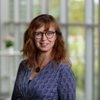
The business coach: “We need to learn from our mistakes”
The past year has been challenging for many biotech companies, with several comapanies facing financial stress and bankruptcy. To understand how entrepreneurs can navigate these tough times, Life Science Sweden spoke to Pia Keyser, a business coach at Umeå Biotech Incubator, who has worked with many companies in the industry.
-

Astra Zeneca miljardinvesterar i Kanada – ska ge 700 nya jobb
Astra Zeneca fortsätter sin satsning på Kanada. Sedan 2023 har läkemedelsjätten satsat 1,1 miljarder dollar i landet.
-

Life science trends 2025 – The economy
Upcoming patent expirations are driving pharmaceutical companies to acquire in 2025. In Sweden, we may be on our way to brighter times and fewer bankruptcies. Today´s part of the series with trend insights in life science for 2025 is about the economy.
-
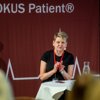
The future of healthcare in focus: ”Together, things happen”
In march, it’s once again time for Fokus Patient, an event for the industry where the patients’ perspective takes center stage. It’s a great way to spread knowledge in Sweden and around the world, according to the initiator Penilla Gunther
-
16 miljoner kronor till ATMP i Västsverige
Genom en miljonsatsning i Västra Götalandsregionen ska små och medelstora life sciene-bolag få stöd för att accelerera utvecklingen inom avancerade terapiläkemedel (ATMP).
-

Moderna develops mRNA vaccine against norovirus
A highly anticipated vaccine is in late clinical evaluation and could be ready for approval within a couple of years. The target is the norovirus, often called “food poisoning” or the “stomach bug”.
-
Hypothesis testing versus conspiracy theory
"How do you know what is a conspiracy theory and what is a reasonable, scientifically based conclusion?" In a column, Ingrid Lönnstedt reflects on this question.
-

Partial court victory for entrepreneur who lost his company
Swedish life science entrepreneur Mikael Kubista has won the first round against a law firm that he, along with other co-owners, sued for negligent advice in connection with losing his company, Tataa Biocenter.
-

Misstänkt koppling mellan Ozempic och ögonsjukdom – myndighet reagerar
Två nya danska studier har pekat på en koppling mellan Ozempic (semaglutid) och en möjlig risk för den sällsynta ögonsjukdomen NAION. Nu vill danska läkemedelsverket att europeiska riskbedömningskommittén för läkemedel bedömer studierna.
-
Anna Törner: ”If I fall seriously ill, I’ll move to Finland”
”It is both undignified and undemocratic that cancer patients must travel to Finland to uphold a façade of fairness that does not truly exist”, Anna Törner writes in a column.
 BREAKING